

Storms & Flooding
What to Do If Your Basement Floods: A Step-by-Step Guide
Safety first, then water removal, drying and insurance: what to do in the first hours after a basement flood.
Standing water does more damage every hour it sits. DryFlare crews pump it out, extract it from carpet and pad, and get the building ready to dry.
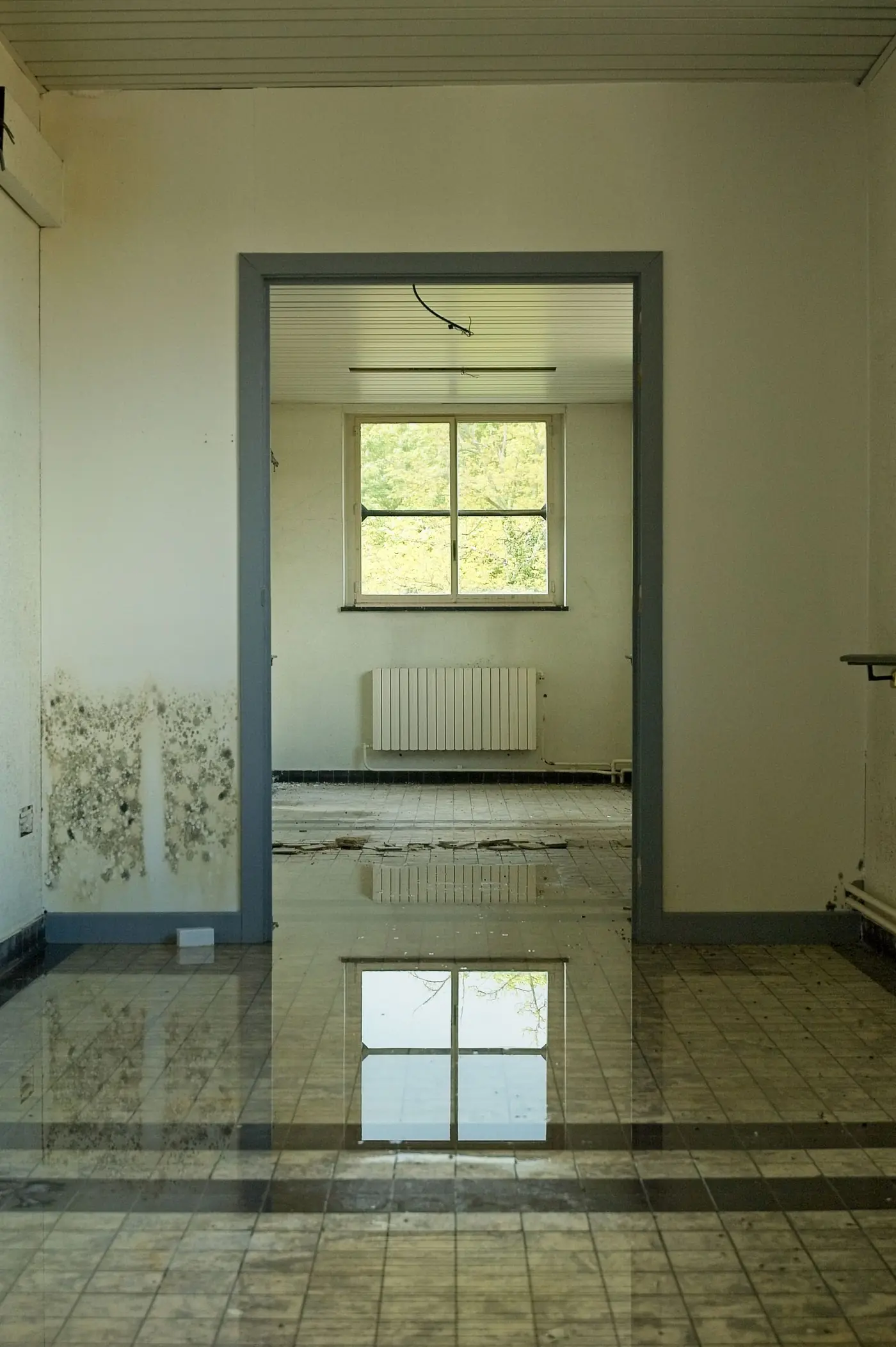
Quick answer: Water extraction removes standing water and pulls soaked-in water out of carpet, pad and floors using submersible pumps and truck-mounted or portable extractors. It is the first step of drying a building. The EPA advises drying water-damaged areas within 24 to 48 hours to prevent mold, so extraction should start the same day.
| Source | Usual water category | Why it matters |
|---|---|---|
| Burst or leaking supply line | Category 1 (clean) | Can release hundreds of gallons before it is found; often under floors and in walls |
| Water heater failure | Category 1 | Tank holds 40 to 80 gallons, often in a basement, garage or closet |
| Washing machine or dishwasher overflow | Category 2 (gray) | Contains detergent and soil; carpet pad usually needs replacing |
| Sump pump failure | Category 2 or 3 | Groundwater floods basements, often during heavy rain |
| Toilet overflow or sewer backup | Category 3 (black) | Needs protective gear and disinfection; see sewage cleanup |
| Outside flooding or storm water | Category 3 | Carries mud, chemicals and sewage; see flood damage restoration |
Categories come from the ANSI/IICRC S500 standard. Clean water can turn into gray or black water the longer it sits and the more materials it soaks through.
| Equipment | What it does |
|---|---|
| Submersible pump | Moves deep standing water out of basements, pits and crawl spaces |
| Gas-powered trash pump | Handles water with debris, and works without house power |
| Truck-mounted extractor | Strongest suction for large carpeted areas; the unit stays outside |
| Portable extractor | Reaches upper floors, condos and small spaces |
| Weighted extraction tool | Uses the operator's weight to press water out of carpet and pad |
| Moisture meters and thermal camera | Find hidden water behind walls and under floors |
Water keeps moving after the leak stops. It wicks up drywall, soaks under baseboards and flooring, and seeps into subfloors and framing. Particleboard cabinets swell, hardwood cups and paint starts to bubble. The EPA notes that drying water-damaged materials within 24 to 48 hours is key to preventing mold growth. Every hour of delay means more material to remove and a longer, more expensive dry.
Clean water also changes category over time. A supply-line leak that sits for days in a warm house picks up bacteria from the materials it soaks, and the crew may then need to treat it as gray or black water, with more removal and disinfection.
Ask the crew for a written estimate once they have inspected the job.
You can often handle a small spill of clean water on tile, vinyl or sealed concrete with towels, a mop and fans. Call a water removal professional when:
Homeowners policies usually cover sudden, accidental water damage, such as a burst pipe, and the extraction that follows. They usually exclude long-term leaks and maintenance problems. FEMA notes that most homeowners insurance does not cover flood damage, which needs a separate flood policy. Photograph the water before extraction starts and keep the crew's moisture readings; your adjuster will ask for them. This is general information, so check your own policy.
Local note: Fast extraction matters most where water arrives in volume: rain floods like Baton Rouge's in 2016 in Louisiana, basement storms in Chicago and the rest of Illinois, hurricane flooding in Houston and coastal Texas, and sewer-overloading cloudbursts in metro Detroit.
The terms are used for the same job. Water removal usually means getting standing water out with pumps; water extraction often means pulling water out of carpet, pad and other porous materials with extraction wands and truck-mounted units. Most jobs need both.
Extraction itself usually takes a few hours for a single room and up to a day for a flooded basement or several rooms. Drying the structure afterward takes longer, often several days, and is tracked with moisture readings.
Sometimes. Carpet soaked with clean water and extracted quickly can often be dried in place, although the pad underneath is usually replaced. Carpet touched by sewage or floodwater should be thrown away, because it cannot be reliably disinfected.
A wet/dry vacuum can help with a small amount of clean water on a hard floor, if the power in that area is safely on. Do not stand in water near outlets or appliances, and do not try to vacuum sewage or floodwater.
Extraction after a sudden event, such as a burst pipe or a failed water heater, is usually part of a covered homeowners claim. Water from outside flooding usually needs flood insurance. Your policy and insurer decide coverage, so report the loss promptly.
Air movers and dehumidifiers dry walls, floors and framing, checked with moisture meters.
Cleanup of floodwater, mud and soaked materials after storms and rising water.
Water removal and drying after frozen, corroded or broken supply lines.
Storms & Flooding
Safety first, then water removal, drying and insurance: what to do in the first hours after a basement flood.
Leaks & Prevention
Why tank water heaters leak from the bottom, what to do in the first ten minutes, and when the tank needs replacing.

Leaks & Prevention
Step-by-step actions for the first hour after a pipe bursts, how to spot a hidden burst, and how to prevent frozen pipes.
Last reviewed November 18, 2026 by DryFlare Editorial. General information, not legal, insurance or professional advice. Read our editorial policy.
Water where it shouldn't be?
Call DryFlare 24/7 to get water damage help started.
Call 1-800-555-0199