
Sewage & Mold
Mold After Water Damage: How Fast It Grows, Signs and What to Do
How fast mold starts after a leak, signs to look for, what you can clean yourself and what insurance covers.
Mold follows water. DryFlare crews find the moisture, contain the moldy area and remove mold so it does not spread or come back.
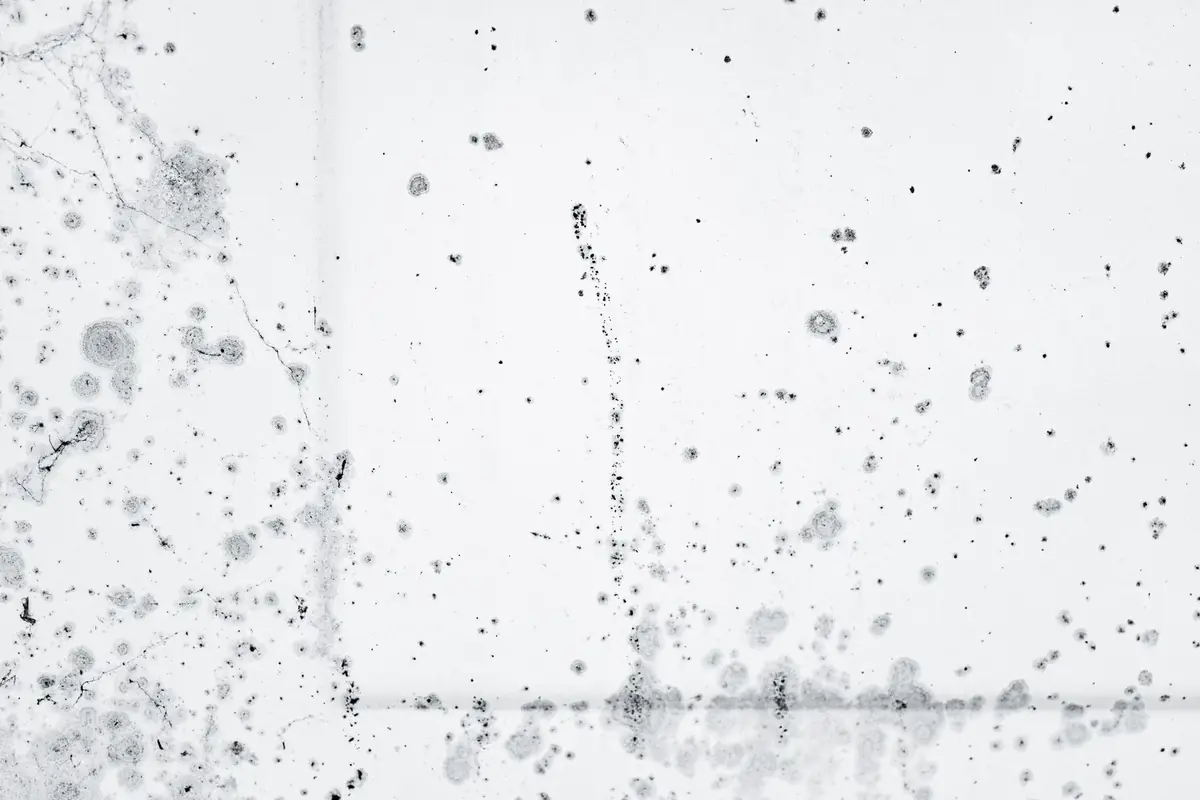
Quick answer: Mold remediation fixes the moisture source, contains the moldy area, filters the air with HEPA equipment and removes or cleans moldy materials, then dries the area so mold does not return. The EPA says the key to mold control is moisture control. For mold covering more than about 10 square feet, the EPA recommends following its professional remediation guidance.
Mold spores are everywhere, indoors and out. They only need moisture and something to feed on, like the paper face of drywall, wood, carpet backing or dust. The EPA notes that indoor mold growth can and should be controlled by controlling moisture. When a leak, flood or sewage backup leaves materials wet for more than a day or two, mold has what it needs. That is why fast structural drying is the best mold prevention there is.
| Moisture source | Where mold appears | What helps |
|---|---|---|
| Hidden plumbing leak | Inside walls, under sinks, behind cabinets | Water extraction and drying, then remediation |
| Roof or ceiling leak | Ceilings, attic sheathing, insulation | Ceiling water damage repair |
| Basement flooding or seepage | Lower walls, carpet, stored boxes | Flood cleanup and dehumidification |
| Sewage backup | Floors, lower drywall, framing | Sewage cleanup before remediation |
| High indoor humidity | Bathrooms, closets, window frames | Ventilation and a dehumidifier |
The EPA says the size of the problem is one factor in deciding who should clean it. Small areas of surface mold on hard surfaces can often be cleaned by a homeowner wearing gloves, goggles and an N-95 respirator, using detergent and water. Call a professional when:
If mold is visible, testing is usually not the first step: fixing the moisture and removing the mold is. The EPA notes that no federal limits have been set for mold or mold spores, so sampling cannot check a building's compliance with a federal standard. Testing can still be useful to find hidden mold, to answer a health question with a doctor, or to confirm cleanup worked. In several states, including Texas, New York and Florida, mold assessment and mold remediation are licensed activities, and the assessor and the remediator on a job are expected to be separate companies. Check your state's rules before hiring.
Insurance often treats mold as part of a covered water loss when it follows a sudden event like a burst pipe, sometimes with a separate mold limit. Mold from slow leaks, condensation or high humidity is commonly excluded. Reporting water damage quickly and drying it fast helps protect coverage. Read your policy and talk with your agent.
Local note: Mold grows fastest in warm, damp places like Florida, Hawaii and Louisiana. A few states license mold work, including Texas and New York, so check what your state requires before you hire.
Mold can start growing on damp materials within 24 to 48 hours. That is why the EPA says water-damaged areas and items should be dried within that window.
For small areas, the EPA says homeowners can often do the cleanup. If mold covers more than about 10 square feet, the EPA points to its guide for professional remediation. Get help if the mold came from sewage or contaminated water, if it is in the HVAC system, or if you have health concerns.
Often not. If you can see or smell mold, the priority is to fix the moisture and remove the mold. The EPA notes there are no federal limits for mold, so testing cannot show compliance with a federal standard. Testing can help find hidden mold or confirm cleanup, but results need expert interpretation.
Bleach can remove surface mold on hard, non-porous surfaces, but it does not fix the moisture problem and is not a substitute for removing moldy porous materials. Never mix bleach with ammonia or other cleaners, as the EPA warns, because toxic fumes can form.
It will if the moisture problem is not fixed. The EPA's main rule is that the key to mold control is moisture control. Repairing the leak, drying the structure and keeping indoor humidity down are what keep mold from returning.
Some policies cover mold that results from a sudden covered water loss, often with a dollar limit. Mold from long-term leaks, humidity or poor maintenance is usually excluded. Check your policy and report water damage right away to protect coverage.
Air movers and dehumidifiers dry walls, floors and framing, checked with moisture meters.
Drywall, flooring, trim and cabinets rebuilt once the structure is dry.
Cleanup of floodwater, mud and soaked materials after storms and rising water.
Sewage & Mold
How fast mold starts after a leak, signs to look for, what you can clean yourself and what insurance covers.
Restoration Basics
How dehumidifiers dry a home after water damage, how long to run them, and when a household unit isn't enough.
Leaks & Prevention
Nine clues that water is in your walls, how to confirm it, common causes and what to do next.
Last reviewed November 18, 2026 by DryFlare Editorial. General information, not legal, insurance or professional advice. Read our editorial policy.
Water where it shouldn't be?
Call DryFlare 24/7 to get water damage help started.
Call 1-800-555-0199