
Restoration Basics
Water Damage Restoration Cost: What Drives the Price and How to Read an Estimate
The factors that decide what water damage restoration costs, how estimates are built, and how insurance fits in.
For a business, water damage means lost time and sales. DryFlare crews contain the water, dry the building and keep dry areas open when they can.
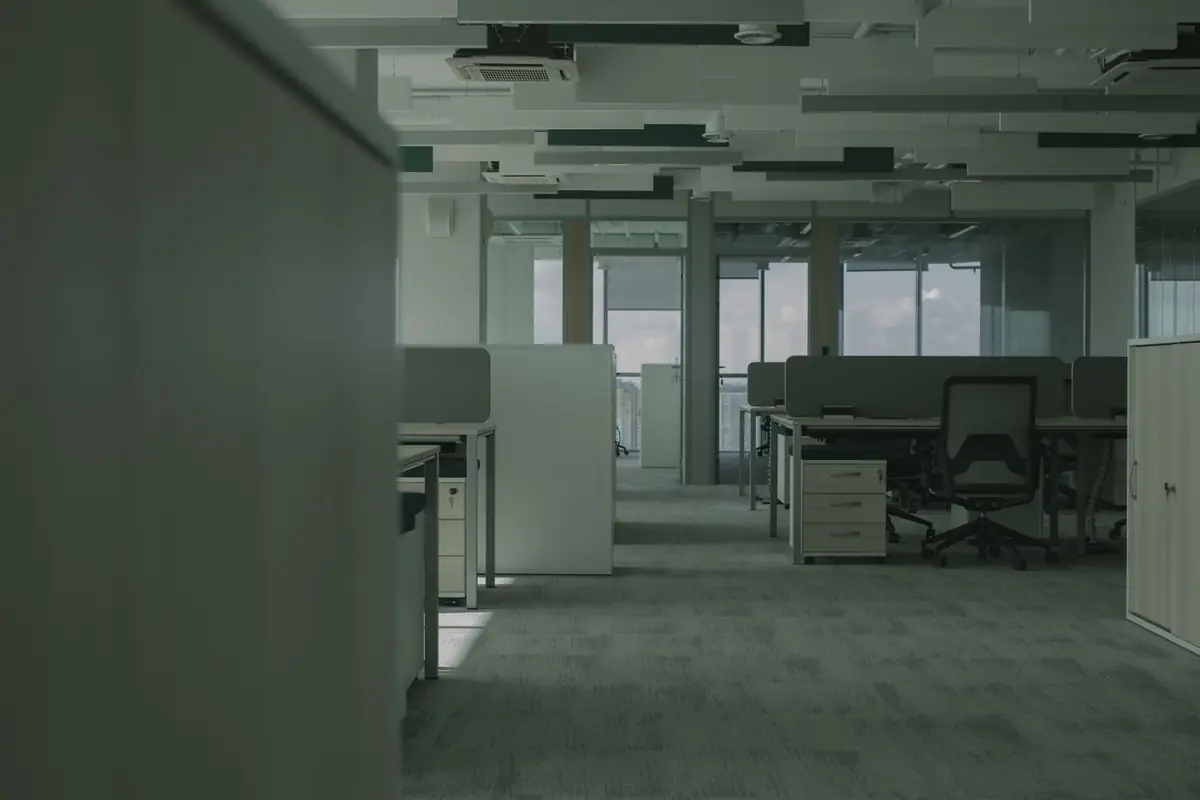
Quick answer: Commercial water damage restoration removes the water, dries the building and repairs it. The crew keeps as much of the business open as it can. Speed matters for sales and for mold: the EPA advises drying wet materials within 24 to 48 hours. Flood needs its own policy, and FloodSmart notes businesses can buy one too.
| Property type | Common water problems | Priority |
|---|---|---|
| Offices | Sprinkler discharges, restroom leaks, roof leaks | Protect electronics and records; reopen fast |
| Retail stores | Roof leaks, backups, storm flooding | Protect inventory and reopen to customers |
| Restaurants | Kitchen plumbing, grease line backups | Sanitation and health inspection readiness |
| Apartments and multifamily | Leaks between units, water heater failures | Stop spread to units below; tenant communication |
| Hotels | Guest room overflows, burst pipes | Take rooms offline, not the whole property |
| Schools and churches | Roof and HVAC leaks, flooding | Safe, mold-free spaces for occupants |
| Warehouses and industrial | Roof leaks, flooding, fire sprinkler discharges | Protect stock and equipment; resume operations |
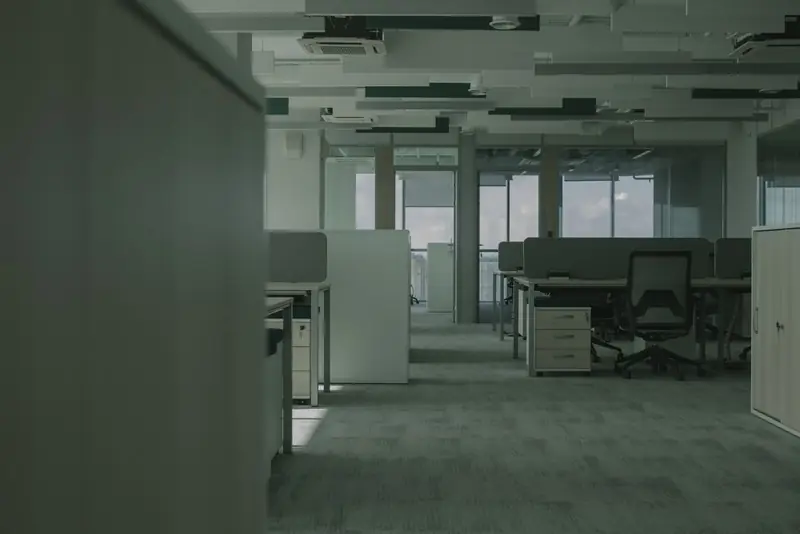
Large buildings have more places for water to hide. It sits above drop ceilings, inside walls, under carpet tile and in HVAC systems. For big mold problems, the EPA points schools and businesses to its remediation guide. It also says to fix the moisture source first. Fast drying, with readings to prove it, is the best way to avoid a mold job later. See mold remediation.
A building owner's policy, a landlord's policy and a tenant's policy may each pay for part of a loss. Business interruption coverage, if you have it, may help with lost income after a covered event. Flood needs its own policy, from FEMA's National Flood Insurance Program or a private insurer. Tell your insurer right away, and your landlord if you lease. Keep all moisture logs, photos and bills. This is general information, so review your policies with your agent.
Local note: Commercial losses follow local risks: high-rise leaks in New York City, hurricane flooding of offices and stores in Houston and South Florida, and freeze-burst sprinkler lines in Chicago warehouses.
Often, at least in part. Crews can seal off the wet area with plastic, keep hoses away from customer paths and do noisy work after hours. Whether you can stay open depends on safety, the size of the loss and the type of water.
Common causes include fire sprinkler discharges, burst or frozen pipes, roof leaks on flat roofs, restroom and kitchen plumbing failures, HVAC condensate leaks and flooding from storms. Multi-tenant buildings also see leaks that travel between units and floors.
It depends on the lease and on where the water came from. Leases often split responsibility between the landlord, for the building and its systems, and the tenant, for its improvements and contents. Check the lease and notify both your landlord and your insurer.
Business interruption coverage, where you have it, may pay for lost income and extra expenses while you cannot operate after a covered loss. Flood usually needs separate coverage. Review your commercial policy with your agent.
Photos and video of the damage, the cause, moisture readings and drying logs, an inventory of damaged contents and equipment, and invoices. The restoration crew's records cover most of this.
Pumps and extractors pull standing water out of floors, carpet and basements fast.
Containment, HEPA filtration and removal of moldy materials after a leak.
Tarping, board-up, water removal and drying after wind, hail and heavy rain.
Restoration Basics
The factors that decide what water damage restoration costs, how estimates are built, and how insurance fits in.
Restoration Basics
What water damage restoration involves, the steps from inspection to rebuild, and how long each one takes.
Restoration Basics
How dehumidifiers dry a home after water damage, how long to run them, and when a household unit isn't enough.
Last reviewed November 18, 2026 by DryFlare Editorial. General information, not legal, insurance or professional advice. Read our editorial policy.
Water where it shouldn't be?
Call DryFlare 24/7 to get water damage help started.
Call 1-800-555-0199