
Water Damage Restoration in Connecticut
Connecticut has some of the oldest housing in the country, plus nor'easters and remnants of hurricanes. DryFlare helps owners from Stamford to Hartford dry out and repair after water damage.
- All of Connecticut
- Homes, rentals & businesses
- 24/7 water damage calls
Quick answer: Water damage restoration in Connecticut starts with stopping the water, then extraction, drying and repair. The biggest local risks are older plumbing, nor'easter and tropical storm flooding, and ice dams. FEMA has declared 14 major disasters for storms, floods and similar events here since 2000.
Connecticut water damage at a glance
| Population | 3,624,508 |
|---|---|
| Housing units | 1,541,822 |
| Median year homes were built | 1967 |
| Homes built before 1980 | 67.2% |
| Homes built before 1940 | 20.2% |
| Owner-occupied homes | 66.5% |
| Mobile homes | 0.7% of housing units |
| FEMA major disasters since 2000 | 15 in all, 14 from storms, floods and other water events |
| Most frequent water-related types | severe storms (8) and hurricanes (4) |
| Latest water-related declarations | Severe storm, flooding, landslides and mudslides (2024); Remnants of Hurricane Ida (2021) |
Connecticut figures: Census ACS 2020–2024 estimates and FEMA declarations from 2000 to November 2026.
Older housing is the norm here. 67.2% of Connecticut homes went up before 1980, and old pipes and drains cause many calls.
Why water damage in Connecticut is different
About two-thirds of Connecticut homes were built before 1980. One in five went up before 1940. Old cast-iron drains, galvanized lines and stone foundations all let water in. Many basements hold oil tanks and laundry rooms. A flooded basement can also mean a fuel smell.
The weather adds to it. Irene and Sandy flooded the shoreline in 2011 and 2012. The remnants of Ida dropped record rain in 2021. In August 2024, severe storms flooded Oxford, Southbury and other towns in the Naugatuck Valley. Winter brings ice dams on colonial and cape-style roofs. Massachusetts and Rhode Island share many of these problems.
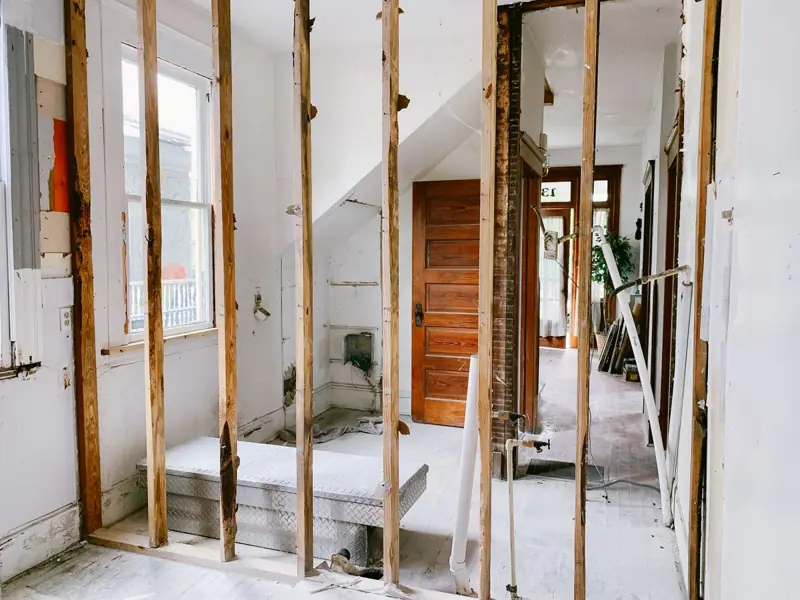
Common water damage problems in Connecticut
| Problem | Where it shows up | What helps |
|---|---|---|
| Basement flooding | Older homes across the state | Basement water removal |
| Ice dams leaking into walls | Capes and colonials in winter | Ceiling and wall drying |
| Coastal storm flooding | Shoreline towns from Greenwich to Stonington | Flood damage restoration |
| Old pipe failures | Pre-war homes and multi-family houses | Pipe leak cleanup |
Tips for Connecticut homeowners
- Keep basement items on shelves, not on the floor.
- Add attic insulation and ventilation to reduce ice dams.
- If you have an oil tank in the basement, check it after any flood.
- Shoreline owners should know their FEMA flood zone and elevation.
Insurance and licensing in Connecticut
The Connecticut Insurance Department oversees home insurance in Connecticut. It can help with claim problems. Shoreline homes often have a separate hurricane deductible. It only applies when a named storm hits.
Most home policies exclude flood. In Connecticut, flood cover comes from FEMA's flood program (NFIP) or a private insurer. NFIP policies usually take 30 days to start.
The Connecticut Department of Consumer Protection licenses or registers contractors. Ask for the number and look it up before rebuild work starts.
Areas served in Connecticut
DryFlare handles water damage calls across Connecticut. The largest communities are Bridgeport, Stamford, New Haven, Hartford, Waterbury, Norwalk, Danbury and New Britain. Local pages: Hartford and Stamford. DryFlare also helps owners next door in New York, Massachusetts and Rhode Island.
Water damage questions in Connecticut
Do you cover all of Connecticut?
Yes. DryFlare takes calls from all of Connecticut, including Bridgeport, Stamford, New Haven, Hartford and Waterbury. Small towns and rural areas in every county are covered too.
Does homeowners insurance cover flood damage in Connecticut?
Usually not. Most home policies in Connecticut exclude rising water. They often cover sudden leaks, like a burst pipe. Flood needs a separate NFIP or private policy. For claim help, contact the Connecticut Insurance Department.
Does a water damage company need a license in Connecticut?
Rules depend on the work. Check builders with the Connecticut Department of Consumer Protection. Plumbing and electrical work need trade licenses.
Should I pump out a flooded Connecticut basement right away?
If the ground is still soaked, pumping too fast can push walls in. Remove water in stages, about a third per day, unless a pro checks the walls first.
Water damage restoration services in Connecticut
Water removal & extraction
Pumps and extractors pull standing water out of floors, carpet and basements fast.
Water mitigation & structural drying
Air movers and dehumidifiers dry walls, floors and framing, checked with moisture meters.
Water damage repair
Drywall, flooring, trim and cabinets rebuilt once the structure is dry.
Flood damage restoration
Cleanup of floodwater, mud and soaked materials after storms and rising water.
Burst pipe water damage
Water removal and drying after frozen, corroded or broken supply lines.
Sewage cleanup
Safe removal of sewage backups and toilet overflows, then cleaning and disinfection.
Mold remediation
Containment, HEPA filtration and removal of moldy materials after a leak.
Ceiling water damage repair
Stains, sagging drywall and leaks from roofs, bathrooms and AC lines.
Storm damage restoration
Tarping, board-up, water removal and drying after wind, hail and heavy rain.
Commercial water damage
Water damage cleanup for offices, stores, rentals and other business properties.
Water damage help in nearby states
- Water damage restoration in New York
- Water damage restoration in Massachusetts
- Water damage restoration in Rhode Island
- All states
- DryFlare home
Sources
- FEMA: Disaster declarations
- U.S. Census Bureau: American Community Survey
- Connecticut Insurance Department
- FloodSmart (NFIP): Flood insurance basics
- Connecticut Department of Consumer Protection
Last reviewed November 19, 2026 by DryFlare Editorial. General information, not legal, insurance or professional advice. Read our editorial policy.
Water where it shouldn't be?
Call DryFlare 24/7 to get water damage help started.
Call 1-800-555-0199