
Water Damage Restoration Across the U.S.
Burst pipe, flooded basement, sewage backup or a leak through the ceiling? Call DryFlare 24/7 and a local restoration crew gets water out and drying started.
- 24/7 water damage calls
- 10+ years in business
- Homes, rentals & businesses
- All 50 states + DC
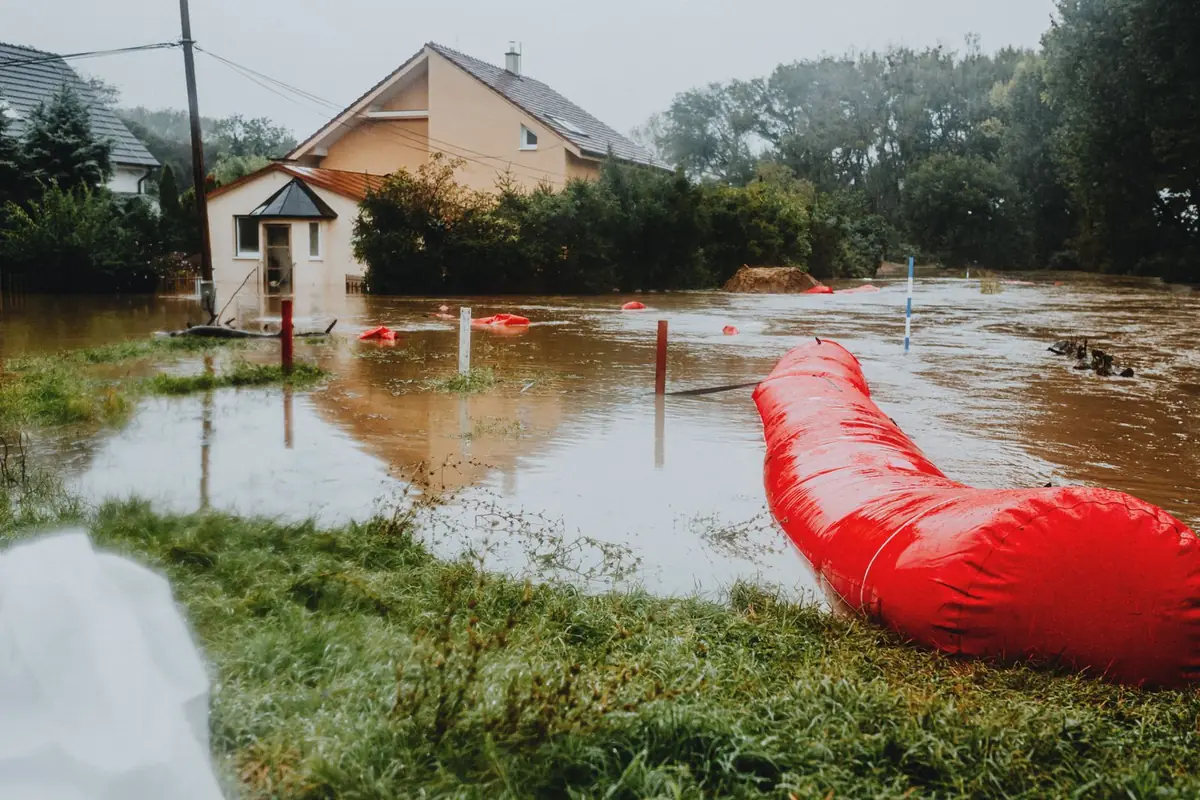
Quick answer: Water damage restoration removes standing water, dries the building, prevents mold and repairs what the water ruined. With DryFlare, one call to 1-800-555-0199, answered 24/7, gets a trained local crew working on your home or business. Fast action matters: the EPA advises drying wet materials within 24 to 48 hours.
Water damage services
Every water loss is different. A slow leak behind a vanity needs a different plan from a flooded basement or a sewage backup. These are the services DryFlare crews handle most often:
Water removal & extraction
Pumps and extractors pull standing water out of floors, carpet and basements fast.
Water mitigation & structural drying
Air movers and dehumidifiers dry walls, floors and framing, checked with moisture meters.
Water damage repair
Drywall, flooring, trim and cabinets rebuilt once the structure is dry.
Flood damage restoration
Cleanup of floodwater, mud and soaked materials after storms and rising water.
Burst pipe water damage
Water removal and drying after frozen, corroded or broken supply lines.
Sewage cleanup
Safe removal of sewage backups and toilet overflows, then cleaning and disinfection.
Mold remediation
Containment, HEPA filtration and removal of moldy materials after a leak.
Ceiling water damage repair
Stains, sagging drywall and leaks from roofs, bathrooms and AC lines.
Storm damage restoration
Tarping, board-up, water removal and drying after wind, hail and heavy rain.
Commercial water damage
Water damage cleanup for offices, stores, rentals and other business properties.
How DryFlare works
DryFlare has been in business for 10+ years with one focus: getting the right crew to water damage quickly. Here is what happens when you call.
- Call 1-800-555-0199, any hour. Tell us your ZIP code, where the water is coming from and whether it has stopped.
- We sort out the type of job. Clean water from a supply line, gray water from a washer and black water from a sewer each need different safety steps, so a few quick questions shape the plan.
- A local crew is lined up. The job goes to a trained restoration crew that works near you, with the pumps, extractors and drying equipment the job needs.
- Work starts and is documented. The crew inspects, removes water, sets up drying and records moisture readings and photos for your insurance company.
One call for water damage restoration, anywhere in the U.S.
Water damage looks different in every part of the country, and so do the causes. Frozen and burst pipes are a winter problem from Minnesota to Texas. Hurricanes and tropical storms push water into homes along the Gulf and Atlantic coasts. Flash floods hit the desert Southwest, and spring storms soak basements across the Midwest and Northeast. Older homes in many cities still have galvanized or cast-iron pipes that fail with age.
Whatever the cause, the goal of water damage restoration stays the same: get the water out, get the building dry, keep mold from starting and put the property back the way it was. DryFlare handles single-family homes, condos, rentals and commercial buildings, from a single wet room to a whole flooded floor.
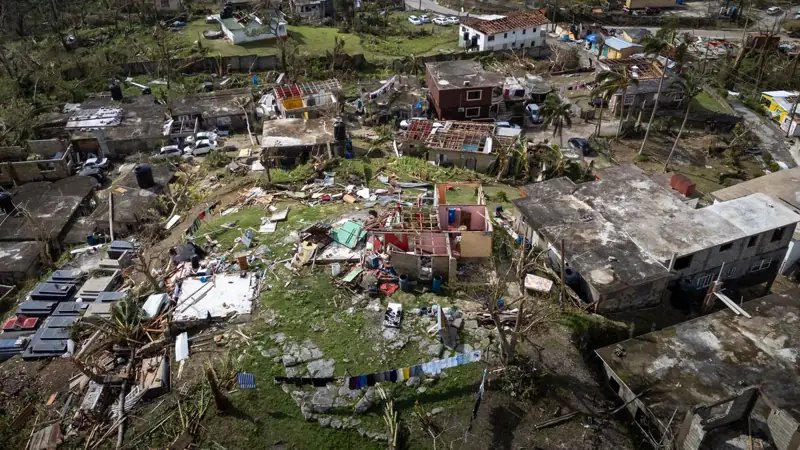
Water damage restoration in every state
DryFlare takes calls from all 50 states and Washington, DC. Each state has its own risks, from hurricanes in Florida to frozen pipes in Minnesota, and its own insurance and licensing rules. Pick your state for local details, or browse the full list of locations.
- Alabama
- Alaska
- Arizona
- Arkansas
- California
- Colorado
- Connecticut
- Delaware
- Washington, DC
- Florida
- Georgia
- Hawaii
- Idaho
- Illinois
- Indiana
- Iowa
- Kansas
- Kentucky
- Louisiana
- Maine
- Maryland
- Massachusetts
- Michigan
- Minnesota
- Mississippi
- Missouri
- Montana
- Nebraska
- Nevada
- New Hampshire
- New Jersey
- New Mexico
- New York
- North Carolina
- North Dakota
- Ohio
- Oklahoma
- Oregon
- Pennsylvania
- Rhode Island
- South Carolina
- South Dakota
- Tennessee
- Texas
- Utah
- Vermont
- Virginia
- Washington
- West Virginia
- Wisconsin
- Wyoming
The water damage restoration process
Professional crews follow the ANSI/IICRC S500 standard for water damage restoration. The work usually runs in this order:
- Inspection and safety. The crew finds the source, checks for electrical hazards and decides the category of water (clean, gray or black) and the class of damage (how much of the room is wet and how deeply).
- Water removal. Submersible pumps and truck-mounted or portable extractors pull out standing water and wring water from carpet and pad.
- Removal of ruined materials. Wet carpet pad, swollen baseboards and drywall that wicked up water are cut out so the framing behind them can dry.
- Drying and dehumidification. Air movers push air across wet surfaces while dehumidifiers pull moisture out of the air. Moisture meters and thermal cameras track progress every day.
- Cleaning and disinfection. Surfaces touched by contaminated water are cleaned and treated with antimicrobial products.
- Repairs. New drywall, paint, flooring and trim go in once readings show the structure is dry.
For more detail on each stage, read our guide to the water damage restoration process, step by step.
What affects the cost of water damage restoration
There is no honest flat price for water damage, because no two losses are the same. These are the factors that move the number up or down:
- Size of the wet area. One bathroom costs far less to dry than a finished basement.
- Category of water. Sewage and floodwater need protective gear, disinfection and more material removal than clean water.
- Materials involved. Hardwood, plaster and insulation are slower to dry and harder to save than tile or concrete.
- How long the water sat. Water left for days spreads further and can grow mold, which adds remediation.
- Drying time. Equipment is usually billed per day, so a 5-day dry costs more than a 3-day dry.
- Repairs and rebuild. Replacing cabinets or flooring adds to the cost of drying.
Ask for a written estimate before work beyond emergency water removal begins. If you are filing a claim, your insurance company may also send an adjuster to review the scope.
See what drives water damage restoration cost for how estimates are built, and what homeowners insurance covers before you file. Every guide is listed on the water damage guides page.
Warning signs of hidden water damage
Not all water damage shows up as a puddle. Call for an inspection if you notice any of these:
- Brown or yellow stains on ceilings or walls
- Paint that bubbles, peels or feels soft
- Warped, cupped or buckling floorboards
- A musty smell that will not go away
- Black or green spots on drywall, grout or caulk
- A water bill that jumps without a reason
- Damp carpet near a toilet, tub, washer or water heater
What to do before the crew arrives
- Stay safe. Do not walk into standing water if the power may be on. Shut off electricity to wet rooms only from a dry spot.
- Stop the water. Close the main shut-off valve for plumbing leaks, or the supply valve behind the toilet, sink or washer.
- Move what you can. Lift furniture onto blocks or foil, and move rugs, electronics and papers to a dry room.
- Take photos and call your insurer. Photograph the water, the source and damaged items before cleanup, then report the loss.
Water damage restoration questions
What is water damage restoration?
Water damage restoration is the work of returning a wet building to its condition before the loss. It covers finding the source, removing standing water, drying the structure with air movers and dehumidifiers, cleaning and disinfecting, preventing mold, and repairing damaged drywall, flooring and trim.
How fast should water damage be dried?
As fast as possible. The EPA says water-damaged areas and items should be dried within 24 to 48 hours to prevent mold growth. Drying a whole structure often takes several days, depending on how much water there is and what got wet; the crew confirms dryness with moisture readings.
Does homeowners insurance cover water damage?
Most homeowners policies cover sudden and accidental water damage, such as a burst pipe or an overflowing washer. They usually exclude gradual leaks and wear and tear. Flooding from outside is not covered by most homeowners policies; FEMA notes it needs separate flood insurance. Check your own policy and talk with your agent.
Can I clean up water damage myself?
Small spills of clean water on hard floors can often be dried with towels and fans. Call a professional when water has soaked into carpet, drywall or insulation, when it came from a toilet, sewer or floodwater, when more than one room is wet, or when you notice a musty smell.
How much does water damage restoration cost?
The price depends on how much area is wet, the category of water, which materials must be removed and how many days the drying equipment runs. The crew should give you a written estimate after the inspection and before work beyond emergency water removal starts.
Do you work with insurance companies?
Yes. The crew documents the damage with photos and moisture readings, which your insurance company will ask for. You stay in charge of your claim, and you should report the loss to your insurer as soon as you can.
Which areas does DryFlare serve?
DryFlare takes calls from all 50 states and Washington, DC. Call 1-800-555-0199 with your ZIP code and the job goes to a trained restoration crew that works in your area.
Sources
- EPA: A Brief Guide to Mold, Moisture and Your Home
- EPA: Flood Cleanup to Protect Indoor Air and Your Health
- FEMA: Flood Insurance
Last reviewed November 18, 2026 by DryFlare Editorial. General information, not legal, insurance or professional advice. Read our editorial policy.
Water where it shouldn't be?
Call DryFlare 24/7 to get water damage help started.
Call 1-800-555-0199