
Storms & Flooding
What to Do If Your Basement Floods: A Step-by-Step Guide
Safety first, then water removal, drying and insurance: what to do in the first hours after a basement flood.
Floodwater is dirty water. DryFlare crews remove it safely, clean and disinfect what can be saved, and dry the building before rebuilding starts.
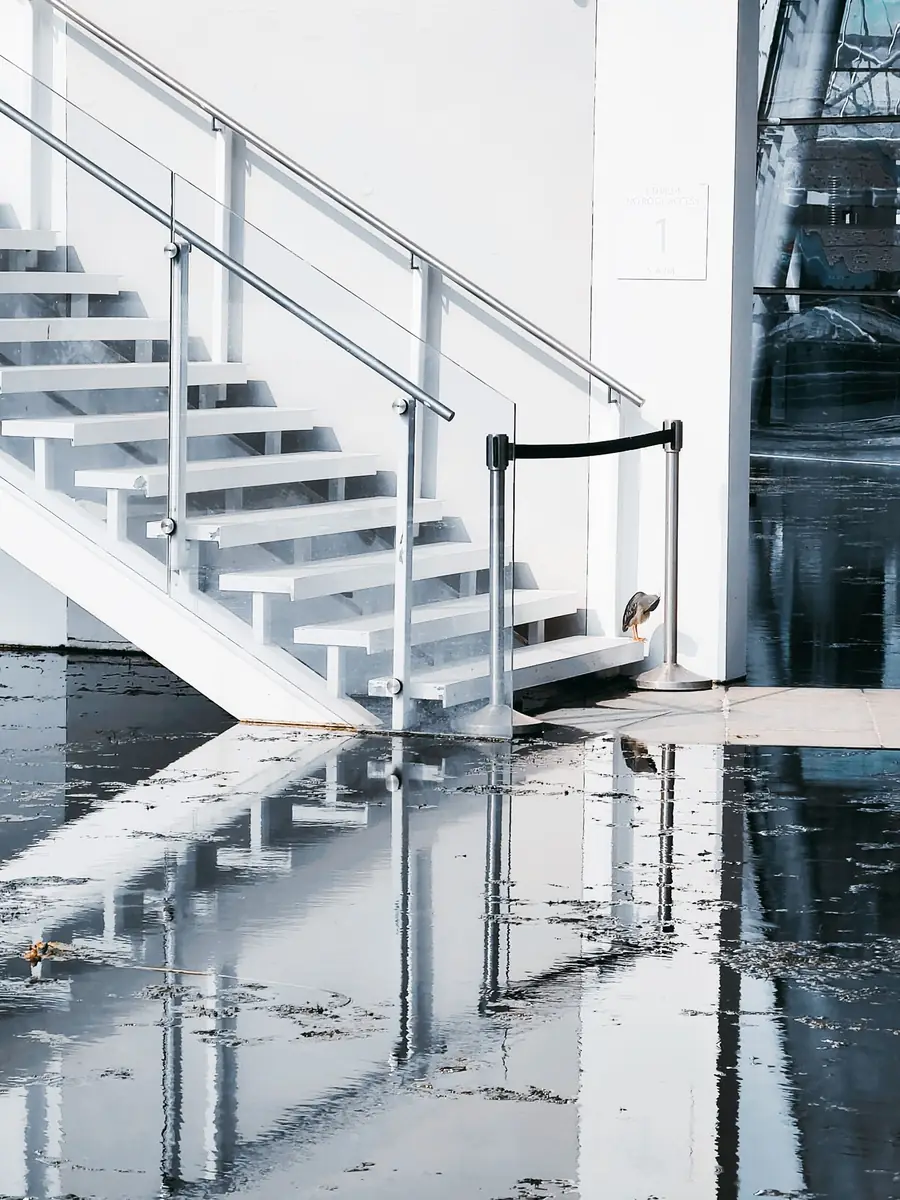
Quick answer: Flood damage restoration removes floodwater and mud, throws out soaked porous materials, cleans and disinfects what can be saved, and dries the building completely before repairs. Floodwater counts as Category 3 (black) water because it can carry sewage, so the crew uses protective gear. FEMA notes that most homeowners insurance does not cover flood damage.
Water from a broken supply line starts clean. Floodwater does not. It flows over streets, yards, septic systems and storm drains before it enters a home. EPA guidance warns that floodwater can carry sewage and other harmful substances, and that standing water and wet materials become a breeding ground for viruses, bacteria and mold. Under the ANSI/IICRC S500 standard, outside floodwater is treated as Category 3, the most contaminated level.
| Type of flooding | Common causes | What to expect |
|---|---|---|
| Flash flooding | Heavy rain over a short time, often in hilly or desert areas | Fast-moving water, mud and debris |
| River and creek flooding | Rain upstream, snowmelt, ice jams | Water may stay for days; heavy silt |
| Coastal and storm surge | Hurricanes and tropical storms | Saltwater, sand and structural damage |
| Basement groundwater | Saturated soil, failed sump pump, poor grading | Water through walls and floor cracks |
| Storm drain backup | Overwhelmed city systems in heavy rain | Often mixed with sewage |
| Usually discard after floodwater | Often cleanable |
|---|---|
| Carpet and carpet pad | Tile, sealed concrete, vinyl |
| Mattresses and upholstered furniture | Solid wood furniture (may need refinishing) |
| Drywall and insulation below and just above the water line | Metal, glass and hard plastic items |
| Food, medicine and cosmetics that touched water | Dishes after washing and sanitizing |
| Paper goods and cardboard | Clothing washed in hot water (if not moldy) |
EPA guidance sums it up: sort materials and throw away anything you cannot clean and dry. Photograph items before you discard them for your claim.
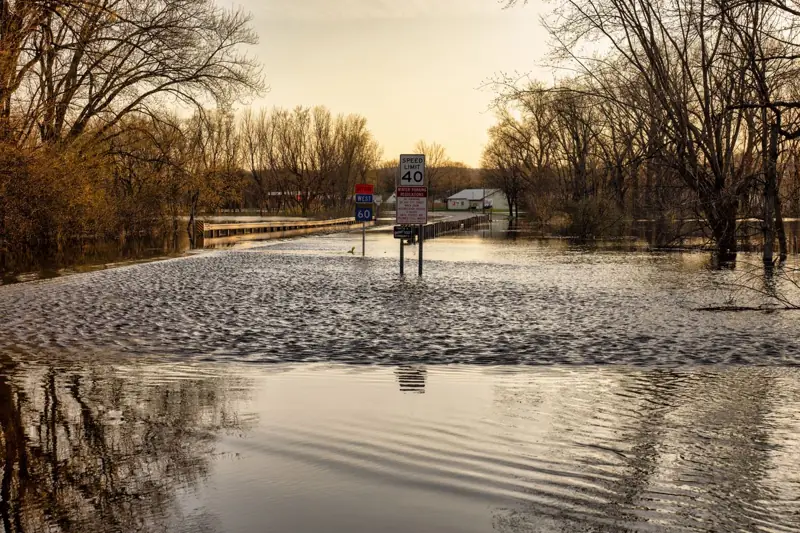
FEMA notes that most homeowners insurance does not cover flood damage, and that floods can happen anywhere. Flood coverage comes from a separate policy through the National Flood Insurance Program (NFIP) or a private insurer, for homeowners, renters and businesses. New NFIP policies typically have a 30-day waiting period before coverage starts, so flood insurance has to be in place before a storm. If you have a policy, report the loss quickly, photograph everything and keep samples of flooring and materials if your adjuster asks for them.
Call for professional flood damage restoration when water reached living space, a finished basement or walls, when it sat for more than a day, or when you cannot safely clean while wearing protective gear. Professionals bring pumps, drying equipment and the moisture readings your claim may need.
Local note: Recent floods show the range of this work: creek floods in eastern Kentucky in 2022, Helene's mountain floods in western North Carolina in 2024, summer river floods in Vermont in 2023 and 2024, and river flooding in Iowa.
It can be. EPA flood cleanup guidance warns that floodwater can carry sewage and harmful substances, and advises that children, pregnant people and people with asthma or weakened immune systems should not take part in cleanup. Anyone cleaning should wear an N-95 respirator, goggles and gloves at a minimum.
Porous items that were soaked by floodwater, such as carpet and pad, upholstered furniture, mattresses, insulation and drywall, usually cannot be made safe and should be discarded. Hard, non-porous items can often be cleaned and disinfected.
Usually not. FEMA notes that most homeowners insurance does not cover flood damage. Flood coverage comes from a separate policy, through the National Flood Insurance Program or a private insurer, and new NFIP policies typically have a 30-day waiting period.
As soon as authorities say it is safe to return and the water has gone down. EPA guidance stresses drying the home and everything in it completely, and mold can begin to grow within 24 to 48 hours, so cleanup should start as soon as it is safe.
Yes, in most cases. The structure can usually be cleaned, disinfected and dried. Finished walls, carpet and insulation that floodwater touched usually need to be removed and replaced.
Only outside, and at least 20 feet away from the building, as the EPA advises, to avoid carbon monoxide poisoning. Never run a generator or gas pump inside a home, basement or garage.
Tarping, board-up, water removal and drying after wind, hail and heavy rain.
Safe removal of sewage backups and toilet overflows, then cleaning and disinfection.
Containment, HEPA filtration and removal of moldy materials after a leak.
Storms & Flooding
Safety first, then water removal, drying and insurance: what to do in the first hours after a basement flood.
Storms & Flooding
Why sump pumps fail, warning signs to watch for, and what to do if your basement floods anyway.
Insurance & Claims
What a standard home policy covers, the big exclusions like flood and slow leaks, and how to file a water damage claim.
Last reviewed November 18, 2026 by DryFlare Editorial. General information, not legal, insurance or professional advice. Read our editorial policy.
Water where it shouldn't be?
Call DryFlare 24/7 to get water damage help started.
Call 1-800-555-0199