
Water Damage Restoration in Fort Worth, TX
Fort Worth homes face hail, Trinity River flooding and shifting clay soil. DryFlare helps owners from the Cultural District to Alliance get water out and dry out.
- Tarrant County
- Homes, rentals & businesses
- 24/7 water damage calls
Quick answer: Water damage restoration in Fort Worth, TX means fast water removal, structural drying and repairs. The main local risks are hail storms, flash flooding and foundation-related leaks. DryFlare covers all of Tarrant County, including ZIP codes 76102, 76104, 76107.
Fort Worth water damage at a glance
| Population | 963,194 |
|---|---|
| Housing units | 373,948 |
| Median year homes were built | 1994 |
| Homes built before 1980 | 33.7% |
| Homes built before 1940 | 5.6% |
| Owner-occupied homes | 57% |
| County | Tarrant County |
| Sample ZIP codes | 76102, 76104, 76107, 76109, 76116, 76244 |
Fort Worth housing figures: U.S. Census Bureau ACS 2020–2024 5-year estimates.
With a median build year of 1994, most Fort Worth homes are newer. Failed fittings, washers and AC drains still cause daily calls.
Why water damage in Fort Worth is different
The Trinity River runs through the heart of Fort Worth. After the 1949 flood swamped downtown and the West Side, levees were built along the river, and the Panther Island project continues that flood work today. Smaller creeks still flash flood in heavy rain, and low streets in older neighborhoods fill fast.
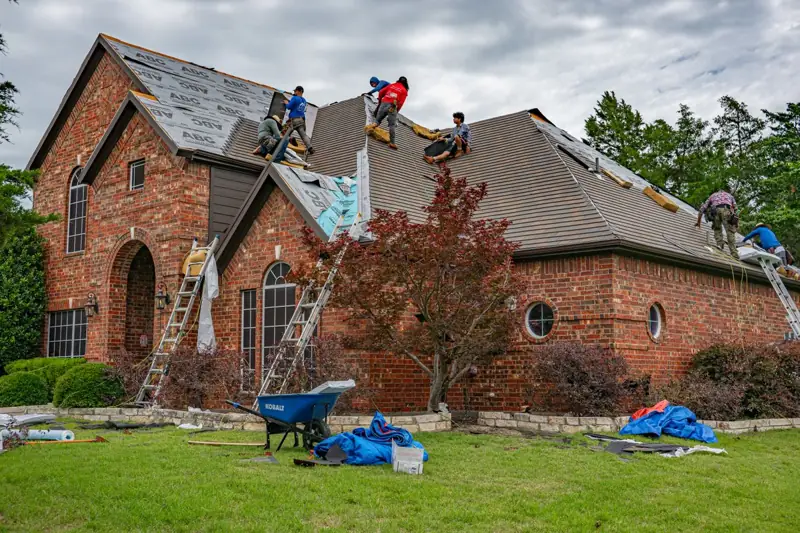
Like Dallas, Fort Worth sits under the North Texas hail track. Storms damage roofs from Tanglewood to Alliance, and leaks follow. Expansive clay soils shift with the seasons, cracking slabs and stressing water lines underneath. The 2021 freeze burst pipes in homes built for mild winters.
Common water damage problems in Fort Worth
| Problem | Where it shows up | What helps |
|---|---|---|
| Hail roof damage | West Side, Alliance and north Fort Worth | Storm damage restoration |
| Slab and pipe leaks | Homes on expansive clay | Leak repair and drying |
| Flash flooding | Low streets and creek areas | Flood cleanup |
| Ceiling leaks | Homes after hail and heavy rain | Ceiling repair |
How Fort Worth owners can prevent water damage
- Inspect your roof after hail season each spring.
- Keep gutters clear and downspouts pointed away from the slab.
- Watch for cracks in drywall or sticking doors; they can signal foundation movement and pipe stress.
- Know your main water shut-off before winter.
Neighborhoods and suburbs served in Fort Worth
Calls come from Downtown, Near Southside, the Cultural District, TCU, Tanglewood, Ridglea and Alliance, plus Arlington, Keller, Hurst, North Richland Hills and Benbrook. Crews also work in Dallas, Austin, San Antonio, Arlington and Frisco.
Insurance and licensing in Fort Worth
The Texas Department of Insurance oversees insurance for Fort Worth homeowners. See the Texas page for state flood, licensing and claim notes.
Water damage questions in Fort Worth
Do you cover all of Fort Worth?
Yes. DryFlare takes calls from across Fort Worth and Tarrant County, including Downtown, Near Southside, Cultural District, TCU area and Tanglewood, and ZIP codes such as 76102, 76104, 76107, 76109, 76116, 76244.
How fast should water damage be dried in Fort Worth?
As soon as possible. For Fort Worth homes, the EPA advice is to dry wet materials within 24 to 48 hours to prevent mold.
Does insurance cover water damage in Fort Worth?
For Fort Worth homeowners, sudden events like burst pipes are usually covered. Flood from rising water needs a separate flood policy. For claim problems, contact the Texas Department of Insurance.
Why do slab leaks happen in Fort Worth?
Clay soil around much of Fort Worth swells when wet and shrinks in drought. The movement can crack slabs and the water lines inside or below them. Signs include warm spots on floors, a rising water bill and damp flooring with no clear cause.
Water damage restoration services in Fort Worth
Water removal & extraction
Pumps and extractors pull standing water out of floors, carpet and basements fast.
Water mitigation & structural drying
Air movers and dehumidifiers dry walls, floors and framing, checked with moisture meters.
Water damage repair
Drywall, flooring, trim and cabinets rebuilt once the structure is dry.
Flood damage restoration
Cleanup of floodwater, mud and soaked materials after storms and rising water.
Burst pipe water damage
Water removal and drying after frozen, corroded or broken supply lines.
Sewage cleanup
Safe removal of sewage backups and toilet overflows, then cleaning and disinfection.
Mold remediation
Containment, HEPA filtration and removal of moldy materials after a leak.
Ceiling water damage repair
Stains, sagging drywall and leaks from roofs, bathrooms and AC lines.
Storm damage restoration
Tarping, board-up, water removal and drying after wind, hail and heavy rain.
Commercial water damage
Water damage cleanup for offices, stores, rentals and other business properties.
More water damage help near Fort Worth
- Water damage restoration in Dallas
- Water damage restoration in Austin
- Water damage restoration in San Antonio
- Water damage restoration in Arlington
- Water damage restoration in Frisco
- All of Texas
- All locations
- DryFlare home
Sources
- U.S. Census Bureau: American Community Survey
- EPA: A Brief Guide to Mold, Moisture and Your Home
- Texas Department of Insurance
- FEMA: Flood insurance
Last reviewed November 19, 2026 by DryFlare Editorial. General information, not legal, insurance or professional advice. Read our editorial policy.
Water where it shouldn't be?
Call DryFlare 24/7 to get water damage help started.
Call 1-800-555-0199