
Water Damage Restoration in Savannah, GA
Savannah is low, flat and close to the ocean. Tropical storms, heavy rain and high tides can flood its streets, and humid air makes mold a fast follow-up.
- Chatham County
- Homes, rentals & businesses
- 24/7 water damage calls
Quick answer: Water damage restoration in Savannah starts with stopping the water, then drying and repair. The main local risks are tropical storm flooding, poor drainage and mold. DryFlare covers all of Chatham County, including ZIP codes 31401, 31404, 31405.
Savannah water damage at a glance
| Population | 147,898 |
|---|---|
| Housing units | 68,174 |
| Median year homes were built | 1971 |
| Homes built before 1980 | 59.2% |
| Homes built before 1940 | 16.2% |
| Owner-occupied homes | 45.4% |
| County | Chatham County |
| Sample ZIP codes | 31401, 31404, 31405, 31406, 31415, 31419 |
Savannah housing figures: U.S. Census Bureau ACS 2020–2024 5-year estimates.
About 59.2% of Savannah homes were built before 1980. Original plumbing and aging roofs cause many leaks.
Why water damage in Savannah is different
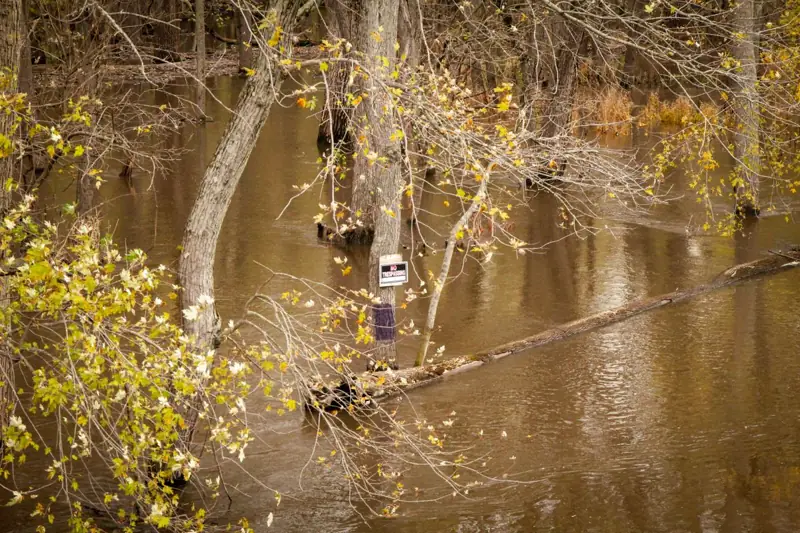
Much of Savannah sits only a few feet above sea level, and drainage depends on canals that empty into tidal rivers. When heavy rain lands at high tide, that water has nowhere to go. In August 2024, Tropical Storm Debby stalled near the city and dropped about 10 inches of rain in three days, more than twice a normal August. Streets flooded and water reached homes in low neighborhoods.
Hurricanes add wind to the rain. Matthew in 2016 and Irma in 2017 both brought flooding, fallen trees and power outages to the city. Savannah also has many older homes, with about 16% built before 1940 in and around the Historic and Victorian districts. Raised floors, old pipes and damp crawl spaces stay humid, and mold can start within a day or two of a leak.
Common water damage problems in Savannah
| Problem | Where it shows up | What helps |
|---|---|---|
| Rain and tidal flooding | Low areas in Midtown, Southside | Flood cleanup |
| Hurricane wind and tree damage | Oak-lined streets citywide | Storm damage restoration |
| Mold after leaks | Older homes with damp crawl spaces | Mold remediation |
| Old pipe leaks | Historic and Victorian district homes | Leak repair and drying |
Water damage tips for Savannah homes
- Know your evacuation zone and your home's flood risk.
- Buy flood insurance early; it usually takes 30 days to start.
- Run AC or dehumidifiers after any leak to stop mold.
- Keep storm drains near your home clear of leaves.
Neighborhoods and suburbs served in Savannah
Calls come from the Historic District, Victorian District, Starland, Ardsley Park, Thomas Square, Parkside, Southside and Midtown, plus Pooler, Richmond Hill and Tybee Island. DryFlare also covers nearby Charleston, Jacksonville and Augusta.
Insurance and licensing in Savannah
Home insurance in Savannah is regulated by the Georgia Office of Commissioner of Insurance and Safety Fire. See the Georgia page for state flood, licensing and claim notes.
Water damage questions in Savannah
Do you cover all of Savannah?
Yes. DryFlare takes calls from across Savannah and Chatham County, including Historic District, Victorian District, Starland, Ardsley Park and Thomas Square, and ZIP codes such as 31401, 31404, 31405, 31406, 31415, 31419.
How fast should water damage be dried in Savannah?
As soon as possible. For Savannah homes, the EPA advice is to dry wet materials within 24 to 48 hours to prevent mold.
Does insurance cover water damage in Savannah?
For Savannah homeowners, sudden events like burst pipes are usually covered. Flood from rising water needs a separate flood policy. For claim problems, contact the Georgia Office of Commissioner of Insurance and Safety Fire.
Why do Savannah streets flood even without a hurricane?
The city is low and drains into tidal rivers. When a heavy downpour hits at high tide, canals and pipes back up and water pools in low streets. Clearing drains helps, but some areas will flood in any big storm. A flood policy covers water that comes in from outside.
Water damage restoration services in Savannah
Water removal & extraction
Pumps and extractors pull standing water out of floors, carpet and basements fast.
Water mitigation & structural drying
Air movers and dehumidifiers dry walls, floors and framing, checked with moisture meters.
Water damage repair
Drywall, flooring, trim and cabinets rebuilt once the structure is dry.
Flood damage restoration
Cleanup of floodwater, mud and soaked materials after storms and rising water.
Burst pipe water damage
Water removal and drying after frozen, corroded or broken supply lines.
Sewage cleanup
Safe removal of sewage backups and toilet overflows, then cleaning and disinfection.
Mold remediation
Containment, HEPA filtration and removal of moldy materials after a leak.
Ceiling water damage repair
Stains, sagging drywall and leaks from roofs, bathrooms and AC lines.
Storm damage restoration
Tarping, board-up, water removal and drying after wind, hail and heavy rain.
Commercial water damage
Water damage cleanup for offices, stores, rentals and other business properties.
More water damage help near Savannah
- Water damage restoration in Charleston
- Water damage restoration in Jacksonville
- Water damage restoration in Augusta
- All of Georgia
- All locations
- DryFlare home
Sources
- U.S. Census Bureau: American Community Survey
- EPA: A Brief Guide to Mold, Moisture and Your Home
- Georgia Office of Commissioner of Insurance and Safety Fire
- FEMA: Flood insurance
Last reviewed November 19, 2026 by DryFlare Editorial. General information, not legal, insurance or professional advice. Read our editorial policy.
Water where it shouldn't be?
Call DryFlare 24/7 to get water damage help started.
Call 1-800-555-0199